
Consider the safety of patrons and workers when using temporary buildings outdoors.
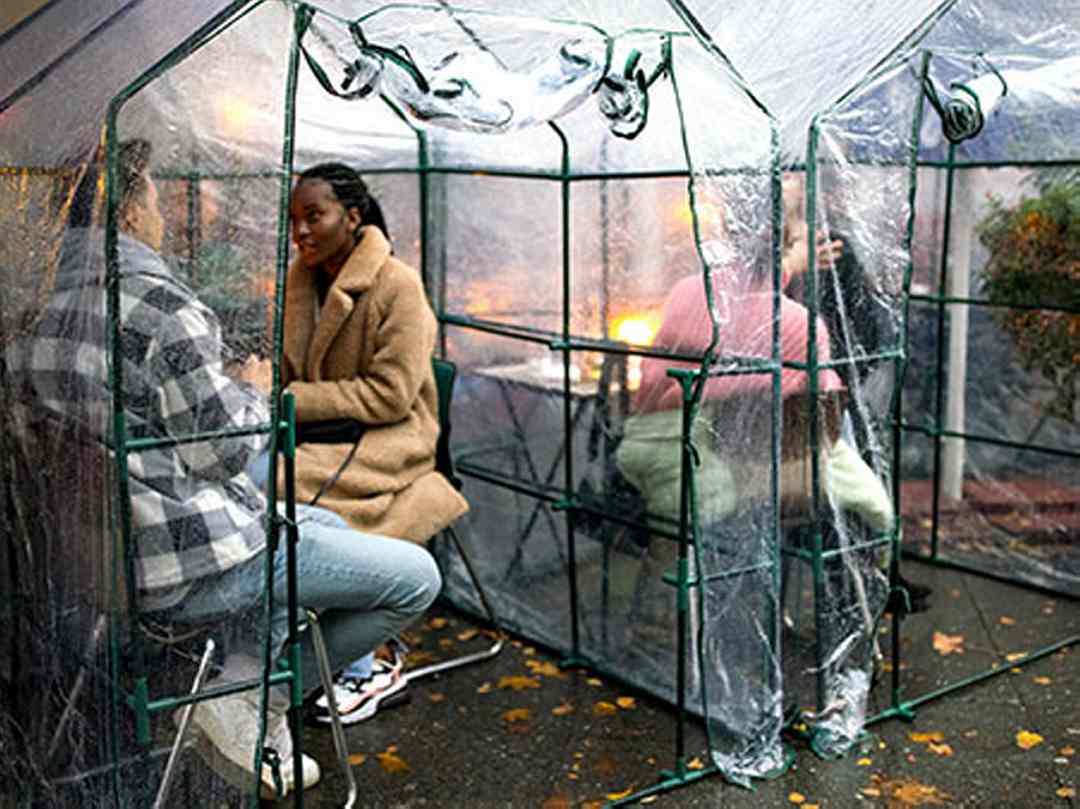
Restaurants are looking for ways to stay open during the pandemic. They have built temporary structures to extend the outdoor eating season. As restaurants try to limit COVID-19 exposure, they are using yurts, plastic pods and greenhouses to provide services to customers.
Unexpected penalties and legal actions may be imposed if these buildings are used without adequate security measures and protections for workers and patrons.
Consult your attorney, local authorities and insurance agent before establishing temporary lodging in your establishment. Here are some common questions:
Common Legal Responsibility
- Ensure that the building is compliant with local zoning and construction codes.
- When hiring a contractor, treat it like you would a brick and mortar addition to your property.
- Ask for a contract that stipulates the contractor must be insured and includes language that states the contractor will defend, indemnify, and keep the business innocent if something goes wrong during the building and erection process.
- Get proof of professional liability insurance from all agencies involved in the design and construction.
- To protect your business in the event that the building fails, ensure the contractor can provide proof of completed operations insurance. This completed ops insurance coverage should last at least two years.
- Note the walking floor near buildings located in parking lots, on sidewalks or even in streets with approval from local authorities. There may be potholes, cracked pavement or areas where the pavement has heaved.
- Find out the distance of these outdoor buildings from lively visitors. What is the speed limit on the adjacent road? Is the separation between traffic and temporary construction sufficient to keep everyone in it safe? Local authorities will they temporarily slow down the speed? Could the road be shut down, or can you at least use cones or other warning devices to alert drivers of the presence people so close to the road?
- To prevent anyone from tripping over and possibly tipping heaters or light poles, tape or cover any cords that run through the building.
Property
The flammability is one of the biggest issues associated with temporary buildings. The materials used to construct momentary buildings should be approved by the Nationwide Hearth Safety Affiliation. It is possible to guarantee the correct scores for flame resistance. The native authorities would probably require a certificate stating that the tent supplies comply with NFPA-701 codes.
Consult local authorities to get specific advice on the correct placement and setup of the temporary construction. Considerations:
- If you are buying and installing a prefabricated structure or constructing the construction to your specifications, ensure that the structure is built to withstand the climate conditions anticipated. The construction should be able to withstand the maximum wind speed and snow load.
- The construction shouldn’t block egress, access to the fire department automobile, or equipment for fighting a fire, such as hydrants, connections of the fireplace division, and sprinkler valves in buildings.
- Tent structures should allow at least 10 feet between stakes for emergency exit.
- It is important to clear the 10 foot area around construction from all flammables and combustibles.
- Limit fireplace hazards such as flammable materials, heating equipment and smoking. Submit NO SMOKING indicators. The tent must have a clear location for the portable fireplace extinguishers.
- Only use the listed equipment in your home, such as cooking and heating equipment.
- Containers for LP gas heaters should be placed at least 60 inches away from tent construction.
- Connect the electrical heaters to an electrical supply that is suitable for outdoor use and is sized appropriately to handle the electric load.
Employees Compensation
The safe transportation of food to the eating area is one of the biggest dangers for workers’ compensation. Consider the following tips to ensure worker safety:
- Carts can be used to move objects from the restaurant to the surface area.
- Worker crossing of traffic patterns is not required.
- Place the outdoor eating space adjacent to the restaurant.
- Ensure workers can relax when they want and that they are aware of the need to drink water.
- Provide some services in the tent, such as heaters for storing meals and beverage preparation stations. When heaters are used or temporary meals stations, do you store the items in the kitchen then transfer them to the warming unit if necessary? If so, is it in good condition?
- Change the climate to improve it. Create shelters for servers who are leaving the restaurant to deliver meals on the surface.
- When using heat from the building, ensure that there is a proper airflow for combustion products.
- If the building is covered, make sure that openings are large enough for servers to easily enter. Also, ensure that there is a clear traffic pattern between tent systems.